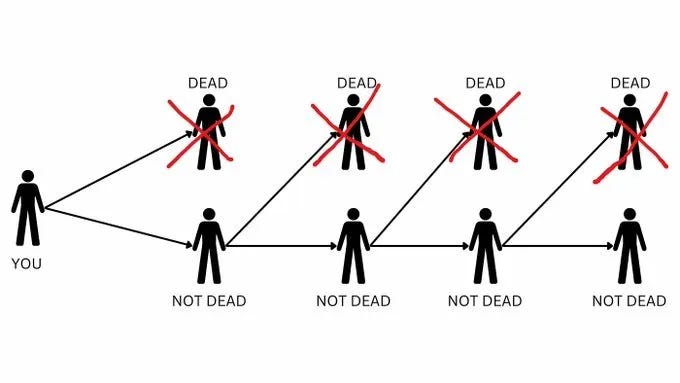
TL;DR: Quantum immortality proposes that consciousness always continues in the branch where survival occurs. Physics does not confirm this, but ideas from many-worlds, observer selection, and nonlocal correlations keep the question alive. The real tension is not death. It is what survival across branches would mean for identity, probability, and time.
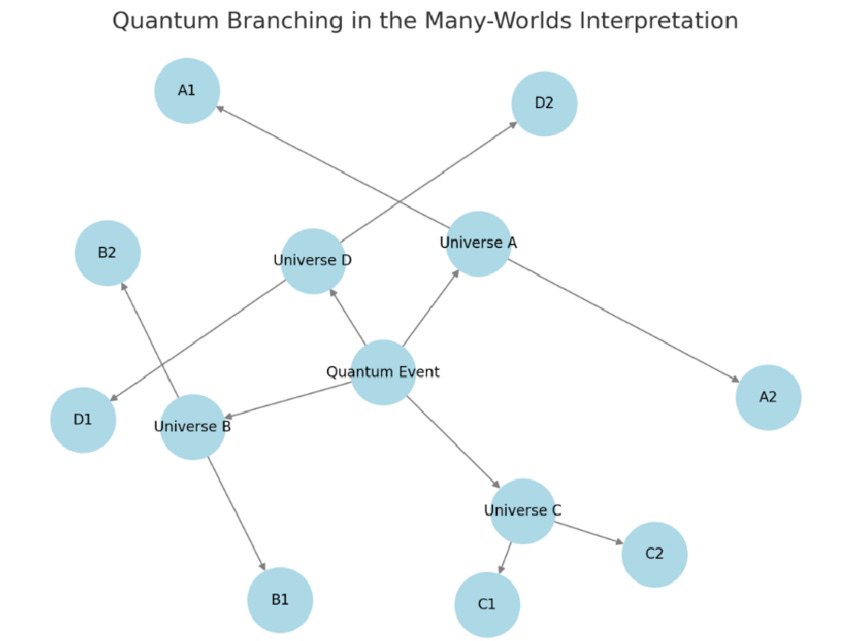
Quantum immortality emerges from the many-worlds interpretation of quantum mechanics, where every probabilistic outcome produces branching realities. In that framework, death is simply one outcome among many. The thought experiment argues that subjective awareness only exists in branches where the observer remains alive. From a first-person perspective, continuity never stops. Statistically unlikely survivals would accumulate. Life becomes a sequence of improbable escapes.
Physically, this is not established science. The many-worlds interpretation itself is one interpretation among several, and quantum immortality is a philosophical extrapolation rather than a testable theory. There is no empirical evidence showing observers “shift” timelines or that subjective continuity overrides probability distributions. The idea is compelling because it mixes anthropic reasoning with observer bias, not because experiments demonstrate survival across branches.
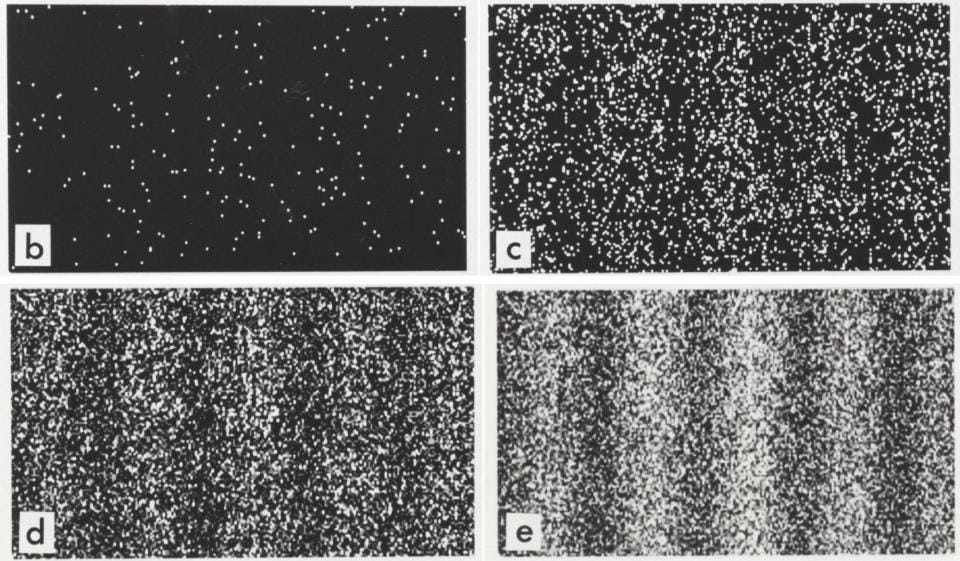
Claims about precognition experiments — including EEG anticipation of emotional images — do exist in controversial research domains, but results remain disputed, difficult to replicate, and outside mainstream consensus. Most neuroscientists explain such findings through expectation effects, statistical artifacts, or experimental design issues rather than backward-flowing information. The concept that consciousness is entangled with its future remains speculative.
What makes quantum immortality unsettling is the implication that probability becomes asymmetric for experience. Objectively, death still occurs in most branches. Subjectively, awareness would track survival paths, potentially producing extreme aging scenarios or sequences of highly improbable events. This creates paradoxes about suffering, identity persistence, and whether continuity of awareness equals survival of the person.

From a Frequency Wave Theory perspective, quantum immortality can be reframed without requiring literal timeline hopping. If consciousness is a coherent standing-wave phase coupling within a global field, continuity follows coherence rather than branch selection. Survival would correspond to preservation of phase stability in the field. Intuition, anticipation, and “near miss” events would be interpreted as weak nonlocal phase correlations instead of timeline migration. The unresolved question is not whether death is avoided, but whether coherence can persist when biological structure fails.