TL;DR
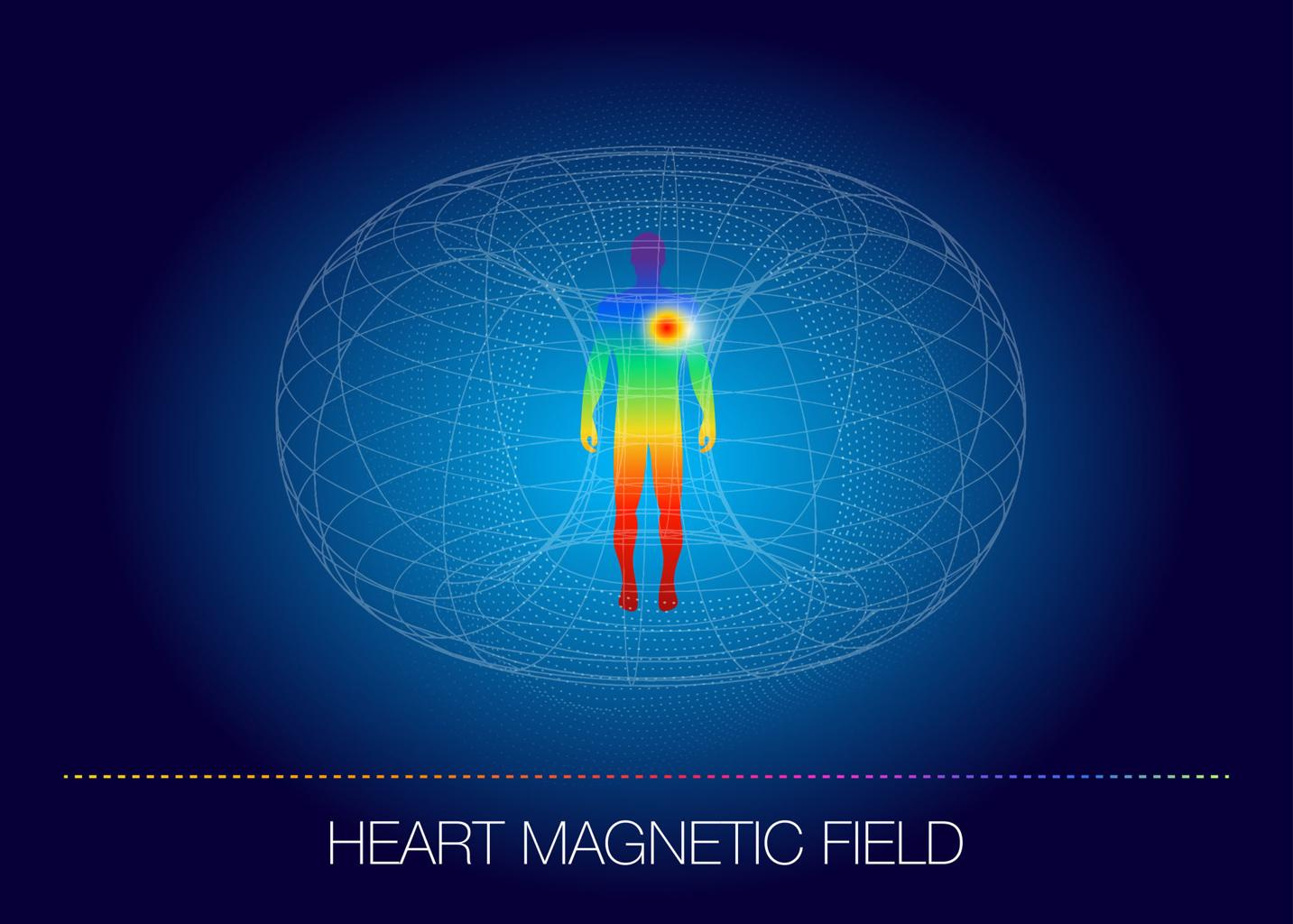
Stress is not just psychological pressure. It is a measurable breakdown of biological frequency coherence. When the body’s oscillating systems—brain waves, heart rhythms, and cellular vibrations—fall out of harmonic alignment, the result is stress. Restoring rhythmic coherence restores health.
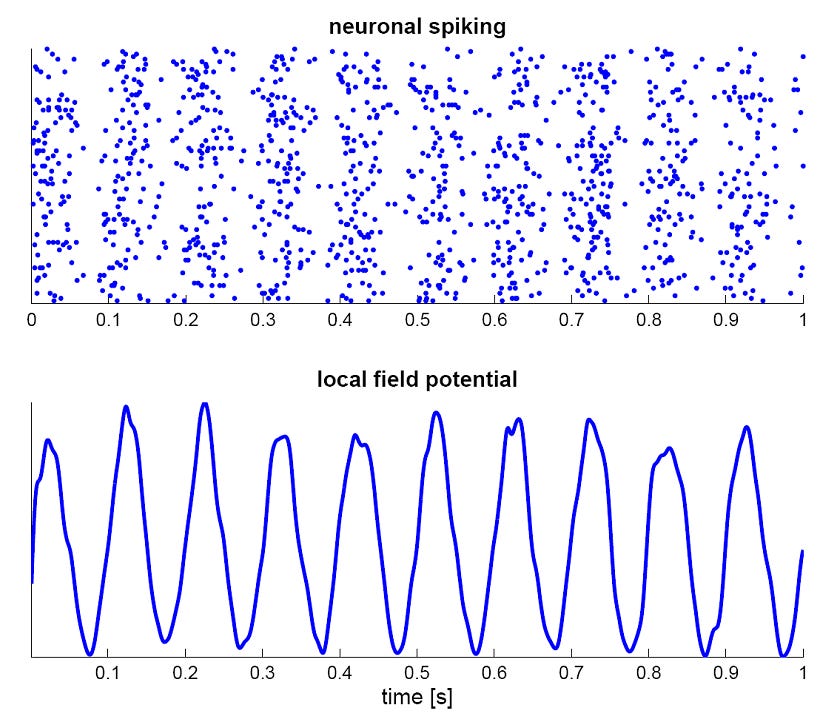
Stress is usually described as an emotional reaction to pressure. That explanation misses the deeper mechanism. The human body is fundamentally an oscillatory system. Brain neurons fire in wave patterns, the heart produces rhythmic electromagnetic pulses, and even cells vibrate through molecular and electrical interactions. When these systems operate in harmonic synchronization, the body maintains stability and efficiency.

The problem begins when these rhythms lose phase alignment. Sleep disruption, constant digital stimulation, irregular breathing, artificial light cycles, and psychological overload push the nervous system out of coherent oscillation. Instead of operating as a stable standing wave, the body becomes a chaotic interference field. Hormones spike, cortisol rises, neural firing becomes erratic, and the system enters survival mode. What people experience subjectively as anxiety or tension is physically a breakdown of resonance.
Within the Frequency Wave framework, biological stability depends on conserved oscillatory energy described by FM = ½ ρ ω A². When frequency relationships remain synchronized, energy forms stable standing-wave structures across biological systems. Stress represents the opposite condition—energy scattering into incoherent waveforms rather than organized resonance patterns.
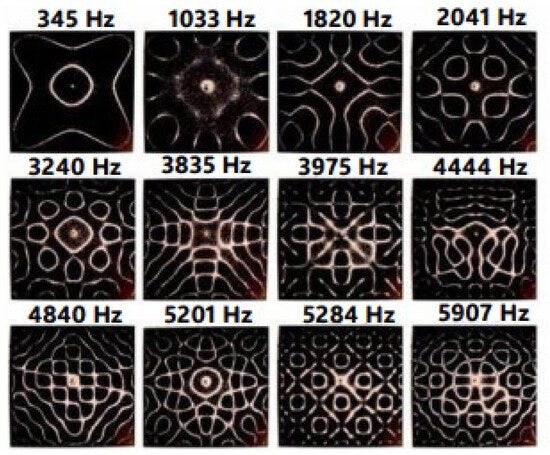
The solution is not merely psychological coping. It is frequency re-alignment. Rhythmic breathing, sunlight exposure, sleep regularity, music, meditation, and synchronized movement all act as phase-locking mechanisms that restore harmonic coherence to the nervous system. When biological oscillators retune themselves, stress naturally dissipates because the system returns to resonance.